


Introduction
Imagine building a global e‑commerce platform that adapts instantly to regional demand fluctuations without the hassle of managing proxy hardware. This is where agile, cloud‑based intermediaries shine. By redirecting requests through a virtual layer in the cloud, organizations gain enhanced flexibility, security, and scalability—benefits particularly appealing to developers, marketers, and online retailers.
In modern distributed systems, managing traffic flow, enforcing access controls, and maintaining consistent performance are critical. A real‑world example comes from Encora, a software services firm, which funneled all user, workload, and device interactions through a scalable proxy‑based architecture integrated into the Zscaler Zero Trust Exchange. This approach delivered full TLS/SSL inspection and helped prevent data loss while maintaining smooth internet and SaaS application access across platforms like GitHub, Slack, Azure, and Salesforce Zscaler case study.
For enterprises wrestling with fragmented legacy proxy setups, consolidation into a single cloud proxy infrastructure offers tangible operational advantages. Infosys implemented Zscaler’s proxy solution to eliminate multiple poorly performing web proxies and VPNs. This not only reduced operational complexity and costs but also improved user experience by streamlining secure access to corporate and cloud resources Infosys case study.
From a performance standpoint, cloud proxies often outperform traditional alternatives. Research comparing cloud‑based proxies with non‑cloud options found notable improvements in response time (4.28 s vs. 5.04 s), download speed, and latency—demonstrating that cloud methods can be both reliable and efficient, particularly in dynamic environments where workloads shift rapidly proxy performance study.
All told, cloud proxy solutions offer practical, real‑world value for those designing resilient web services or managing distributed teams. In the following sections, we’ll explore how these gateways simplify scalability, enhance security, and streamline operations—all without the usual infrastructure overhead.
Advantages in Scalability, Security, and Performance
Moving directly from a proxy performance study, modern deployments profit from cloud-native architectures that streamline management and elevate operational resilience. For example, Google’s Secure Web Proxy automates server maintenance, patching, and scaling so you don’t have to expand infrastructure manually as traffic grows—a practical way to reduce administrative burden while preserving consistent performance across fluctuating loads Google Cloud documentation. The identity-aware access control and centralized logging further establish a robust security foundation for applications Google Cloud documentation.
Other implementations illustrate how cloud proxy solutions can enhance compatibility and global coverage while lowering capital expenditures. Zscaler’s cloud proxy supports any application on any port, massively reducing deployment friction, especially when compared to appliance-bound alternatives that struggle with latency, incompatibility, and cost Zscaler glossary. Because traffic routing happens in the cloud, users experience seamless access even when TLS/SSL inspection is active—an approach that balances security and user experience Zscaler glossary.
Comparative View of Proxy Approaches
| Proxy Type | Scalability | Security Features | Operational Overhead |
|---|---|---|---|
| On‑Prem Appliance | Limited by hardware capacity | Basic inspection, patching required | High: requires manual maintenance |
| Cloud Proxy (e.g., Secure Web Proxy) | Auto‑scales with traffic | Identity‑aware control, centralized logs | Low: managed deployment and updates |
| Cloud Proxy (e.g., Zscaler) | Global reach, invisible latency | TLS/SSL inspection, app‑aware policies | Moderate: SaaS‑based administration |
In real-world scenarios, organizations have made clear gains by shifting to cloud-mediated architectures. Infosys, for one, consolidated disparate proxy and VPN tools into a unified Zscaler SaaS stack. This cut operational complexity while improving security posture and visibility across environments Infosys case study. In more advanced setups, the flexibility of cloud proxy platforms enables integration with SASE frameworks, Zero Trust models, and automated policy enforcement.
The transition toward cloud proxy solutions also dovetails with the broader shift to Secure Access Service Edge (SASE). By converging network and security functions into cloud-delivered services, these architectures offer elastic scalability and simplified operations Wikipedia: SASE. The result is a more streamlined, responsive, and unified security posture that aligns with modern digital workflows.
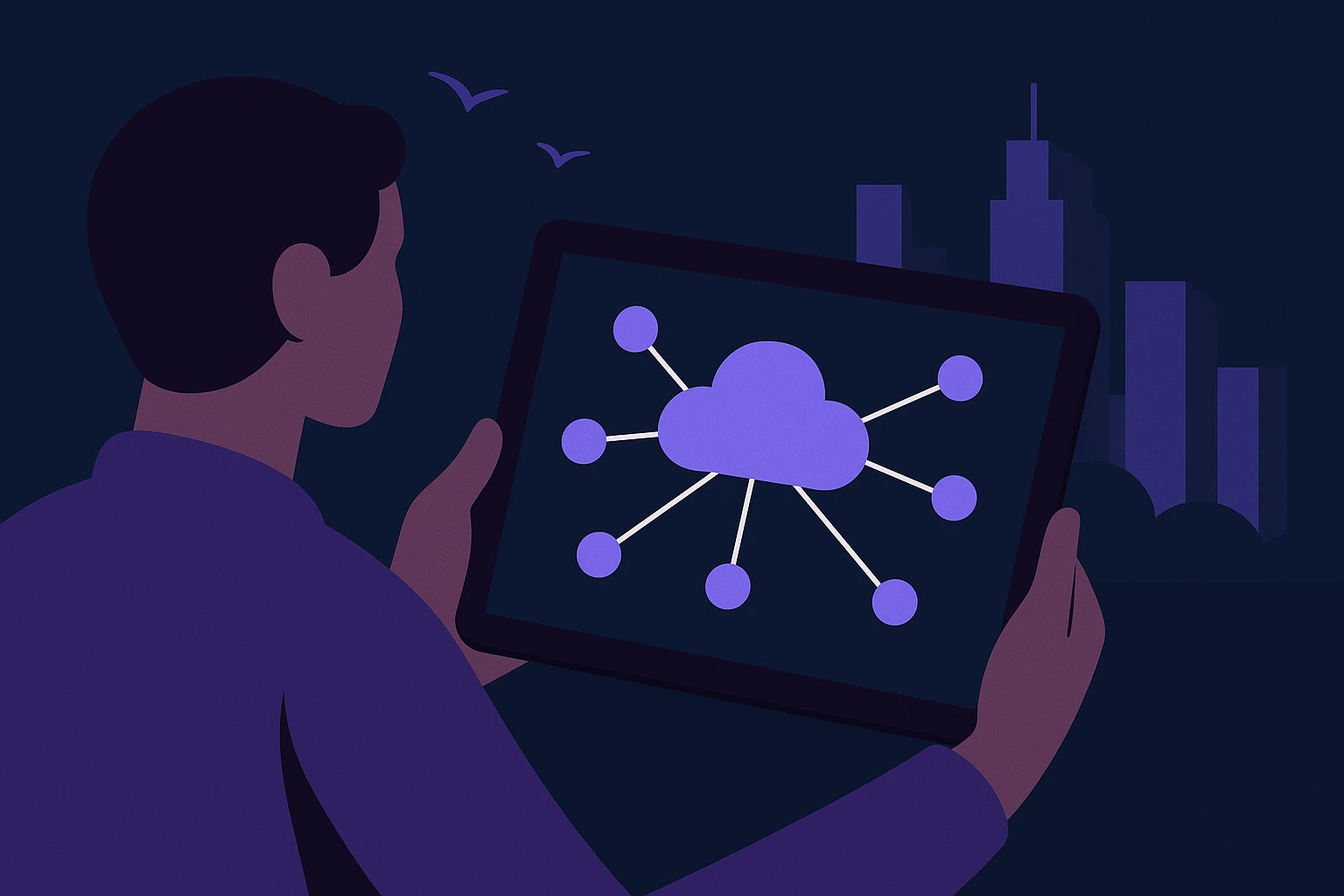
Performance and Optimization with Cloud Proxies
When deployed thoughtfully, proxies within cloud environments can significantly accelerate application performance. Research from IBM’s “CloudPilot” project found that strategically placing TCP-splitting proxies across cloud regions using Kubernetes resulted in up to a 3.6× reduction in flow completion time in geo-distributed workloads, demonstrating real-world performance gains for latency-sensitive applications like microservices or CI/CD pipelines IBM Research.
Earlier foundational work also supports this strategy: a split-TCP proxy architecture studied in satellite data centers showed a decrease in the 95th percentile latency by as much as 43% when compared to direct communication with mega data centers Microsoft Research, PAM’10. These findings highlight how network-aware proxy placement can deliver measurable improvements, particularly for users in remote or distributed environments.
For organizations operating across hybrid or multi-cloud environments, the scalability and control offered by cloud proxy solutions are invaluable. Fortune 500 enterprises leveraging Zero Trust SASE platforms, such as iboss, have eliminated traditional appliances and consolidated across more than 100 countries, resulting in billions of secured daily transactions and multimillion-dollar equipment cost savings iboss case study. By centralizing proxy and security functions in the cloud, organizations can support global workforce needs while boosting performance, compliance, and visibility.
As your teams design or refine infrastructure, combining insights from cloud-native proxy optimization with purpose-built platforms can streamline both performance and operations. Developers and infrastructure leads can explore platforms like Soxy.pro when they need seamless integration for residential and mobile IP routing—as part of a wider proxy strategy that emphasizes both reliability and scalability. Smoothly layering these tools within your architecture can ensure control over traffic flows without compromising speed or agility.
Implementing Cloud Proxy Solutions for Enhanced Security
Incorporating cloud proxy solutions into your digital strategy is essential for strengthening security. These solutions act as intermediaries between your network and the internet, offering an additional layer of defense by filtering traffic and blocking threats such as malware and phishing attempts. For example, a major benefit is the ability to maintain anonymity while accessing web services, thus protecting sensitive company data from potential breaches.
Configuring Cloud Proxies for Optimal Performance
The implementation of cloud proxies requires meticulous configuration to ensure optimal performance. Developers and IT managers should prioritize the configuration of rules that align with organizational policies. For instance, setting rules to restrict access based on IP addresses or geolocations can prevent unauthorized access and data leaks. According to a report by Cybersecurity Insiders, nearly 77% of organizations have experienced an increase in security incidents due to misconfigured cloud infrastructure.
Case Study: E-commerce Sector
Consider an e-commerce business that needs to deliver fast, reliable service while maintaining top-notch security. Implementing a cloud proxy can help manage traffic spikes during peak shopping periods. By routing specific types of traffic through dedicated proxy servers, businesses can reduce latency and ensure stable performance. Retailers like Overstock.com have adopted proxy solutions to mitigate risks associated with DDoS attacks, thus preserving both service delivery and customer trust.
Monitoring and Maintenance
Once cloud proxy solutions are deployed, continuous monitoring is crucial. Tools like real-time analytics dashboards can help track traffic patterns and detect anomalies. This proactive approach allows IT teams to swiftly address potential threats before they escalate. Regular updates and patches to the proxy configuration also contribute to maintaining security and performance standards. As highlighted by Forbes, ensuring regular maintenance is integral to effective cloud security management.
Integrating cloud proxy solutions requires a clear understanding of network demands and security objectives. When executed correctly, these solutions offer powerful capabilities to enhance scalability, security, and overall system efficiency. By continuously refining these processes, businesses can achieve a robust IT infrastructure capable of withstanding various digital challenges.
Conclusion: Maximizing Efficiency with Cloud Proxy Solutions
As organizations continue to evolve in the digital landscape, adopting cloud proxy solutions becomes increasingly vital. These tools not only enhance security but also optimize data flow across networks, ensuring seamless access and communication. By leveraging cloud proxies, businesses can significantly reduce latency, thereby improving the user experience and ensuring robust security measures that protect sensitive data from potential threats.
A practical instance of utilizing cloud proxies is in the realm of e-commerce. Companies deploying these solutions witness improved website load times and higher conversion rates. This is achieved through reduced buffering and enhanced content delivery, creating a smoother experience for online shoppers. According to recent research, businesses that invest in efficient data flow management using cloud proxies report up to a 20% increase in sales conversions source.
For developers and network administrators, the implementation of cloud proxy solutions can streamline operations. By offloading tasks to the cloud, teams can reduce the burden on local servers, leading to more efficient use of resources. Implementing these solutions can also simplify compliance with emerging data regulations by centralizing traffic analysis and data management policies.
Actionable Insights and Best Practices
- Evaluate your network needs to identify specific areas where cloud proxies could provide the most benefit.
- Regularly monitor performance metrics to ensure your solutions are optimizing data flow and security.
- Consider scalability options to future-proof your infrastructure as your business grows.
To maximize the benefits of cloud proxy solutions, integrating them with other cutting-edge technologies like artificial intelligence and machine learning can provide real-time data insights and predict network needs. This proactive approach ensures your business remains adaptive and responsive to the ever-changing digital landscape.
For companies ready to explore these possibilities and want comprehensive support, consider utilizing Soxy.pro. Their expertise in proxy solutions offers tailored strategies to optimize your data traffic, enhance security measures, and align with your company’s growth objectives. By choosing the right partners and optimizing your approach, you'll harness the full potential of cloud proxy solutions for sustained business success.