
Introduction to Proxies and SEO Rankings
In the dynamic world of digital marketing, staying ahead of the competition requires a thorough understanding of how various tools and technologies can impact search engine optimization (SEO) rankings. Among these, proxies play a unique role that often goes overlooked. While most focus on content and backlinks, it's essential to understand how proxies affect SEO rankings and the broader implications they might have on your online presence.
A proxy server acts as an intermediary between a user’s device and the internet. By using a proxy, marketers and developers can manage IP addresses, conduct web scraping, and access geo-restricted content. This functionality is invaluable for gathering data, performing competitive analysis, and ensuring anonymity during market research. However, misusing proxies might inadvertently harm your SEO efforts, potentially affecting your site's ranking.
The Role of Proxies in Web Scraping and SEO
One of the primary applications of proxies is web scraping, where businesses gather data from competitor websites to inform their SEO strategies. By rotating IP addresses provided by proxies, companies can avoid detection and IP bans during the scraping process. This practice allows them to collect large sets of data without interruptions. For instance, an e-commerce company might use proxies to gather pricing information from competing sites, which can then inform their pricing strategies and SEO content.
However, using proxies for scraping must be approached with caution. Search engines have strict guidelines against aggressive scraping, and surpassing these limits may lead to penalties. As such, integrating best practices like respecting robots.txt files and using gentle scraping methods can reduce risks. According to a study by Search Engine Land, companies that adhered to ethical guidelines experienced fewer penalties and more accurate data analysis.
Geo-Targeting and Local SEO
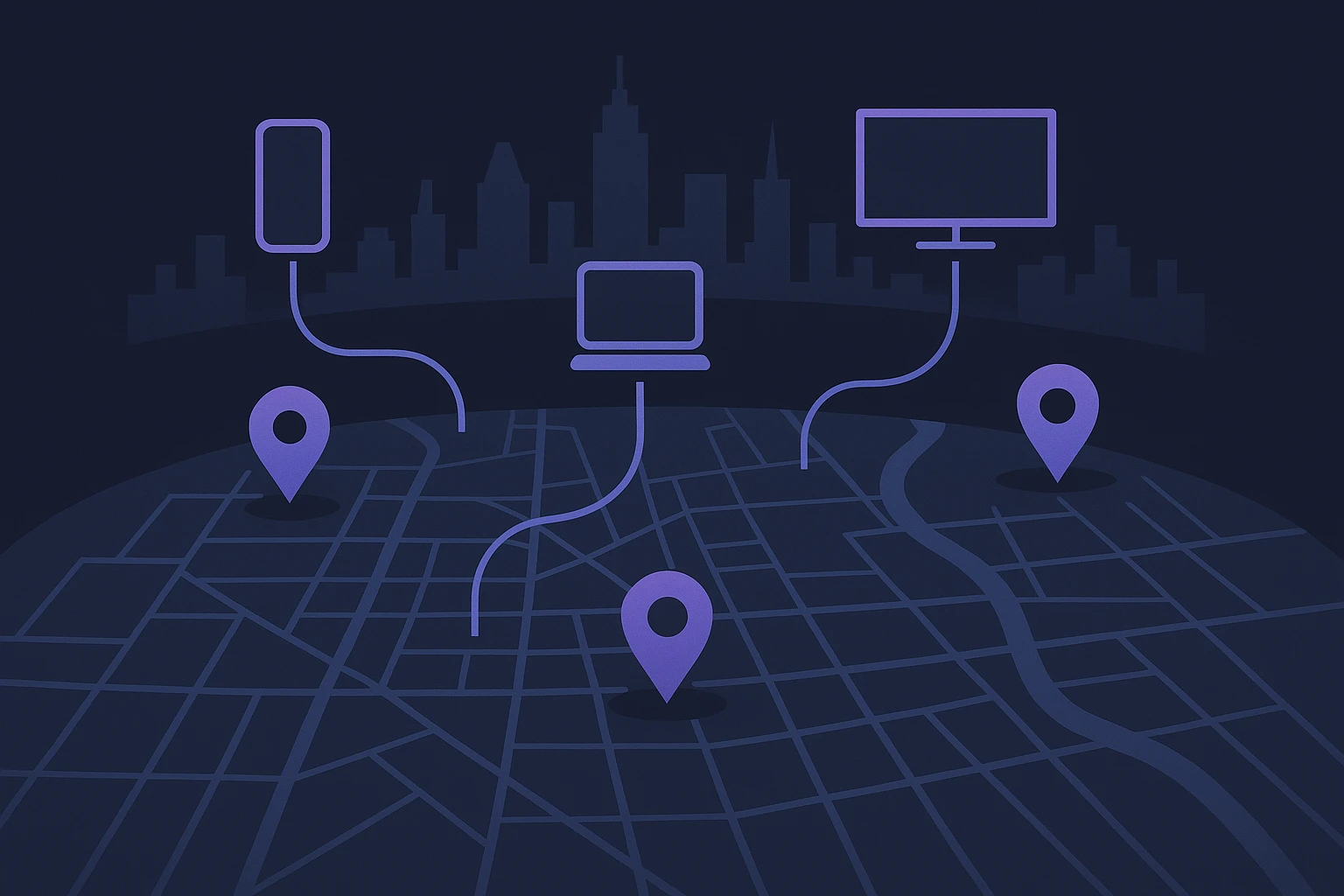
Proxies also enable businesses to engage in geo-targeting, allowing them to test website performance and visibility in different regions. This capability is crucial for optimizing local SEO strategies. Consider a global brand wanting to understand how they rank in international search results: by using proxies, they can simulate browsing from various locations globally. This practice helps in tailoring content and adjusting strategies to better suit different audiences.
However, this should be done strategically. Over-reliance on proxy-based results can sometimes lead to skewed data, especially if local regulations affect proxy performance. To mitigate this, companies are advised to combine proxy data with other analytic tools for a comprehensive view. By doing so, businesses like international retailers improve their strategic planning, according to insights shared by Moz.
Impact of Proxies on SEO Rankings
Understanding how proxies affect SEO rankings is crucial for digital marketers and developers aiming to navigate search engine algorithms effectively. Proxies can mask IP addresses, enabling marketers to appear as though they are accessing the internet from different locations worldwide. This capability is essential for geo-targeting and managing international SEO strategies. However, not all proxy uses benefit SEO equally, and their misuse can potentially harm rankings.
Geo-Targeting and Market Research
Proxies facilitate geo-targeting by allowing businesses to test and optimize their websites for different regions globally. For instance, an e-commerce platform aiming to expand into the European market can utilize proxies to see its website results as a local user would. This insight helps tailor content to specific regional preferences and align with local search engine norms. An example can be seen with companies like Amazon, which employ local proxies to adjust recommendations based on geographic data, enhancing user experience and SEO performance.
Risks of Using Proxies in SEO
While beneficial, using proxies must be carefully managed due to associated risks. Search engines may flag unusual proxy-based traffic patterns as suspicious, potentially leading to penalties. A sudden influx of traffic from multiple proxy-generated IPs could trigger a search engine's scrutiny, affecting trust signals and rankings. Hence, companies need a balanced approach, blending proxy insights with other organic data sources. This approach ensures authentic engagement metrics, which influence SEO rankings positively, without risking search engine penalties.
Best Practices for Proxy Utilization
To leverage proxies effectively, certain practices stand out. Using residential proxies rather than datacenter proxies can be more reliable, as they reflect real user data more closely. Additionally, rotating proxies regularly prevents detection and ensures diverse traffic sources without overloading a specific IP. Companies like Google emphasize maintaining legitimate traffic behaviors to preserve organic search rankings. By following these practices, businesses can use proxies to gain insights without compromising their SEO strategies.
| Proxy Type | Advantages | Disadvantages |
|---|---|---|
| Residential Proxies | Offers authentic user simulation. Less likely to be blocked. | Higher cost. Slower speed. |
| Datacenter Proxies | Cost-effective. High-speed performance. | More likely to be detected and blocked. |
Effective proxy usage allows marketers to optimize for different geographic areas and develop robust SEO strategies. However, maintaining ethical standards and monitoring proxy impacts with analytical tools are vital to avoid negative outcomes. Incorporating best practices can lead to successful SEO implementations that capitalize on the benefits without the downsides.

The Role of Proxies in Gathering Accurate Data
In the evolving world of digital marketing, leveraging proxies can be instrumental for collecting precise data without geographical restrictions. Proxies enable marketers to access localized search engine results pages (SERPs) and gather competitive intelligence from different regions. This functionality is essential for businesses aiming to improve their visibility and understand how proxies affect SEO rankings in multiple markets.
One practical example of this is when a company targets keywords in various global locations. Using residential proxies, marketers can emulate searches from specific countries or cities, enabling them to see and analyze the same results a local user would experience. This can substantially enhance localized SEO strategies by informing businesses how they appear in search queries outside their immediate region. Proxies can, therefore, provide the insights needed to tailor content effectively and improve international SEO rankings.
Maintaining Anonymity During Research
Proxies are also valuable for preserving anonymity while conducting competitive analysis. This is particularly crucial when researching competitors' SEO strategies or analyzing their backlinks, as it prevents the competitors from tracking your IP address. By masking their identity, businesses can gather necessary insights without risking detection or retaliation. Such anonymity can streamline strategic planning and decision-making processes, crucial for SEO success.
Furthermore, using proxies to avoid geographical-based restrictions allows marketers to perform deep web scraping, ensuring that they access valuable data without facing limitations. According to SimilarWeb, rotating residential proxies can test different SEO changes effectively, capturing a true sense of the global digital landscape.
Enhancing Workflow Automation
Workflow automation is another significant advantage provided by proxies. By automating data collection processes, businesses can save time and resources when regularly gathering vast amounts of data. Many professionals use platforms like Soxy.pro to streamline their workflow. Soxy.pro offers reliable proxy solutions that assist in executing SEO strategies with high efficiency, particularly when managing numerous tasks that require constant data updates from diverse locations.
In conclusion, proxies serve multiple roles in the SEO world, influencing rankings by offering data accessibility, anonymity, and automation. They provide a robust foundation for strategic planning and execution, empowering businesses to engage effectively with a global audience across varied digital touchpoints.
How Proxies Enhance SEO Monitoring and Data Reliability
Proxies don’t directly influence search rankings, but they profoundly shape the quality of SEO intelligence gathered through automation. By distributing search queries across a pool of IP addresses, proxies enable rank-tracking tools and scrapers to operate at scale without triggering IP blocks or CAPTCHAs—ensuring uninterrupted access to accurate SERP data. In practice, this infrastructure supports tasks like tracking local search performance or analyzing keyword visibility across regions. For example, dedicated SEO proxies help agencies gather consistent results across cities like New York, London, and Toronto—where checking from a single office IP would skew the data toward that local view Search Engine Insight.
Types of Proxies & Their Use Cases
Choosing the right proxy—residential, datacenter, mobile, rotating, or sticky—is crucial based on your goals. Residential proxies, often tied to actual ISP-assigned IPs, offer higher trust for geo-targeted rank checks. In contrast, datacenter proxies are faster and more budget-friendly but risk being flagged or blocked, particularly for location-sensitive queries. When scraping vast volumes of SERP data, rotating IP pools prevent throttling, while sticky sessions maintain consistency for multi-step observations such as pagination or feature detection Proxyway.
Maintaining Consistent, Localized Insights
Search engines personalize results based on factors like IP geography, language, browser settings, and search history. A well-planned proxy strategy reduces noise and ensures that SEO professionals capture what users in target markets actually see. For instance, mixing residential proxies with appropriate browser localization allows you to observe local pack rankings or regional SERP variations accurately. Without such measures, the same keyword could return personally-tailored results rather than reflecting true local competitive positioning Proxy Rotator.
Actionable Insights and Best Practices
- Use residential proxies when precise geography matters—such as city-level rank tracking or map-pack analysis.
- Rotate IPs between independent search sessions, but retain the same IP and session context for tasks like pagination or multi-step data collection.
- Always align proxy type with task requirements: datacenter proxies are suitable for high-volume scraping, while mobile or ISP proxies may be necessary when carrier-origin signals significantly affect rankings.
- Monitor and adjust request rates, caching, and error handling to avoid detection and ensure clean data streams.
These measures illustrate how proxies foundationally support “how proxies affect seo rankings” in practice—not by altering ranking algorithms directly, but by empowering SEO workflows with reliable, accurate insights across markets and devices.

Conclusion: Leveraging Proxies for SEO Success
Incorporating proxies into your SEO strategy can provide significant advantages by enabling refined data collection and enhanced privacy management. By using proxies, marketers and developers can effectively target localized search engine results pages (SERPs) without physical presence in each region, which is critical for global campaigns. This capability allows businesses to understand how proxies affect SEO rankings by aligning their strategies with local market trends and consumer behaviors.
To maximize the benefits of proxies, it is important to choose the right type of proxy service that aligns with your business needs. For instance, residential proxies offer anonymity and emulate genuine user actions, making them ideal for scraping web data with minimal risk of being blocked. On the other hand, data center proxies provide speed and reliability for larger-scale operations. Understanding these nuances helps in selecting the proxy that best fits your SEO objectives.
However, misuse of proxies can lead to penalties from search engines if not handled correctly. Therefore, carefully managing proxy usage to circumvent search engine algorithms while respecting their guidelines is crucial. Always prioritize ethical practices and ensure compliance with legal standards to avoid potential pitfalls. According to SEO experts, a balanced approach to using proxies can significantly boost your ranking performance while steering clear of any infringements.
For those ready to elevate their SEO strategies, Soxy.pro offers an excellent resource. It provides comprehensive proxy solutions designed to accommodate a variety of business needs. Using a reliable service like Soxy.pro can ensure that your SEO activities are supported with high-quality, seamless proxy operations.
The actionable insights shared in this article emphasize the strategic integration of proxies within your SEO framework. By continually updating your approach with these evolving tools, you can achieve sustained visibility and relevance across different markets. Leveraging the right proxies will not only enhance your data-driven decision-making but also secure a competitive edge in the digital landscape. As SEO continues to evolve, staying informed and adaptable will be key to maintaining high search rankings and achieving long-term success.