
Introduction
Imagine your web scraping script halted by sudden CAPTCHA walls or IP bans just when you're moments away from completing a project. For developers, marketers, and online sellers, this frustration isn’t hypothetical—it’s a common hurdle. In response, savvy teams deploy rotating proxies as a backbone of robust scraping pipelines. Beyond mere anonymity, this approach distributes requests across a dynamic IP pool, substantially reducing detection risk while sustaining extraction speed and reliability.
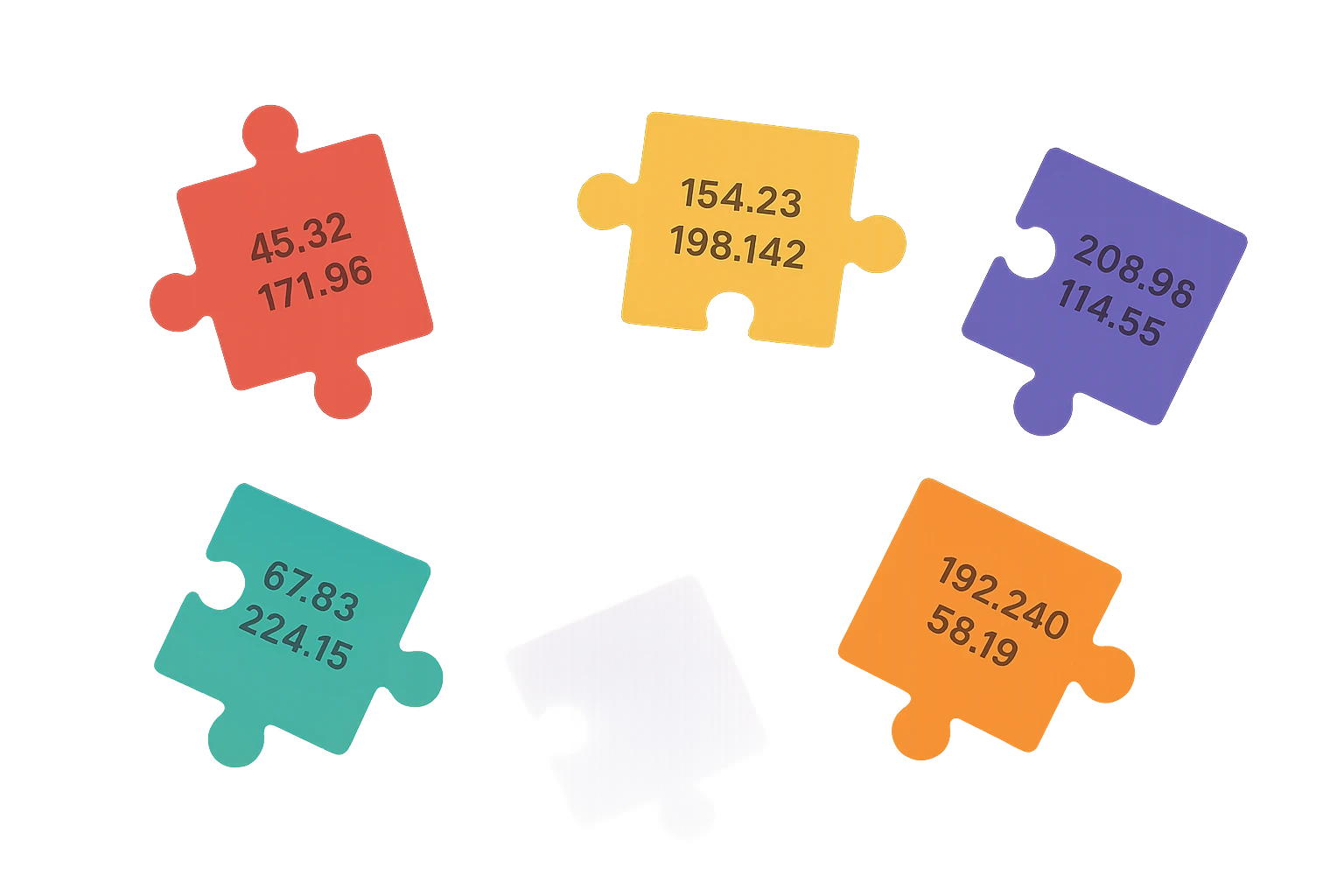
At its core, a proxy that alternates IPs ensures each request appears to come from a distinct endpoint. This dynamic approach markedly lowers the triggers for anti-scraping measures such as rate limits or IP-based throttling. In fact, by routing every connection through different addresses—often leveraging residential or datacenter sources—you can scale data collection while minimizing interruptions from CAPTCHAs or outright blocks (Proxyway guide).
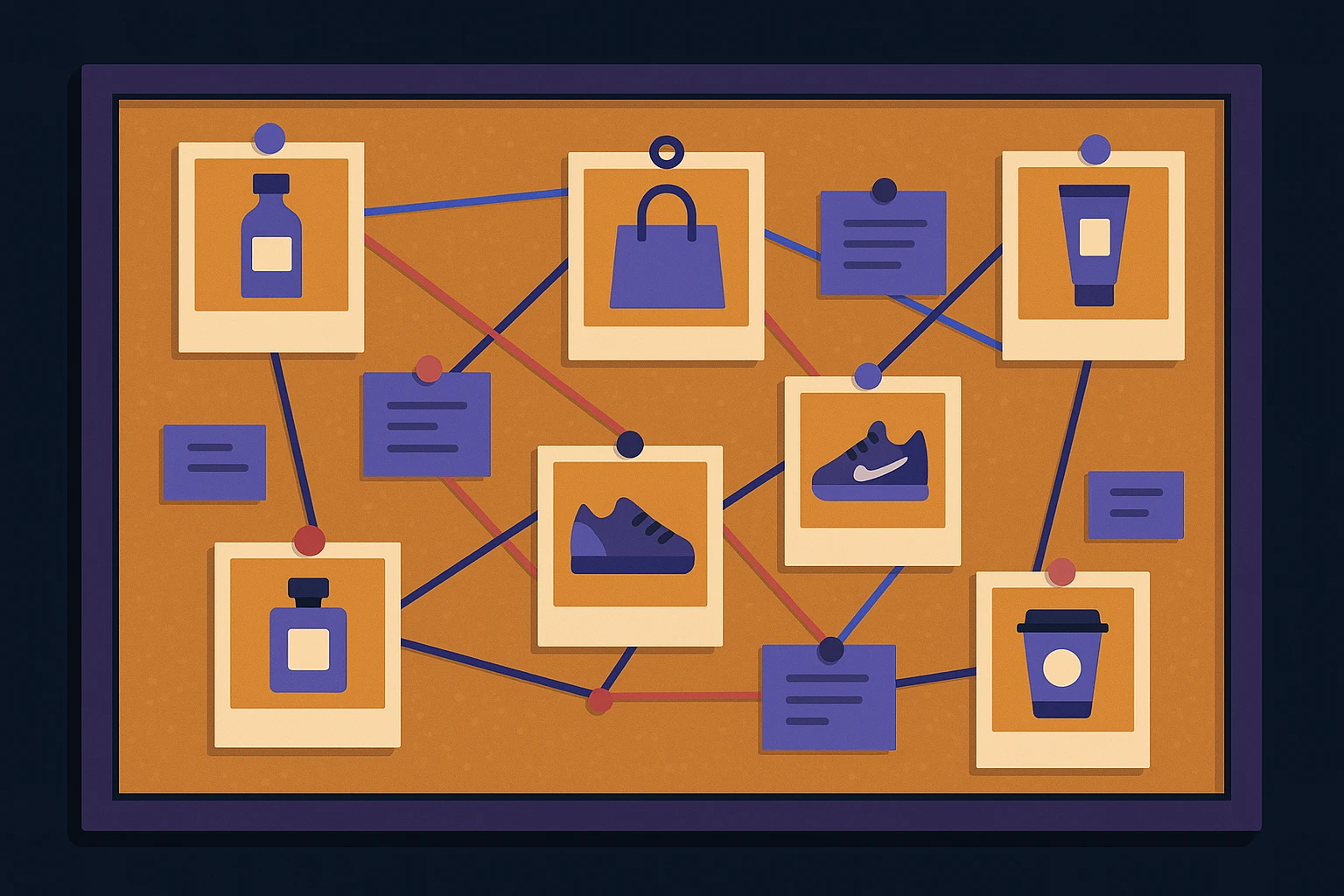
Consider an e-commerce monitoring scenario. Instead of hitting a competitor’s API repeatedly from a single address and risking flagging, the scraper now issues requests from rotating endpoints, masking the pattern and avoiding detection. This is especially valuable for price monitoring, SEO audits, or aggregating localized inventory data, where each request must appear legitimate (SquidProxies on data operations).
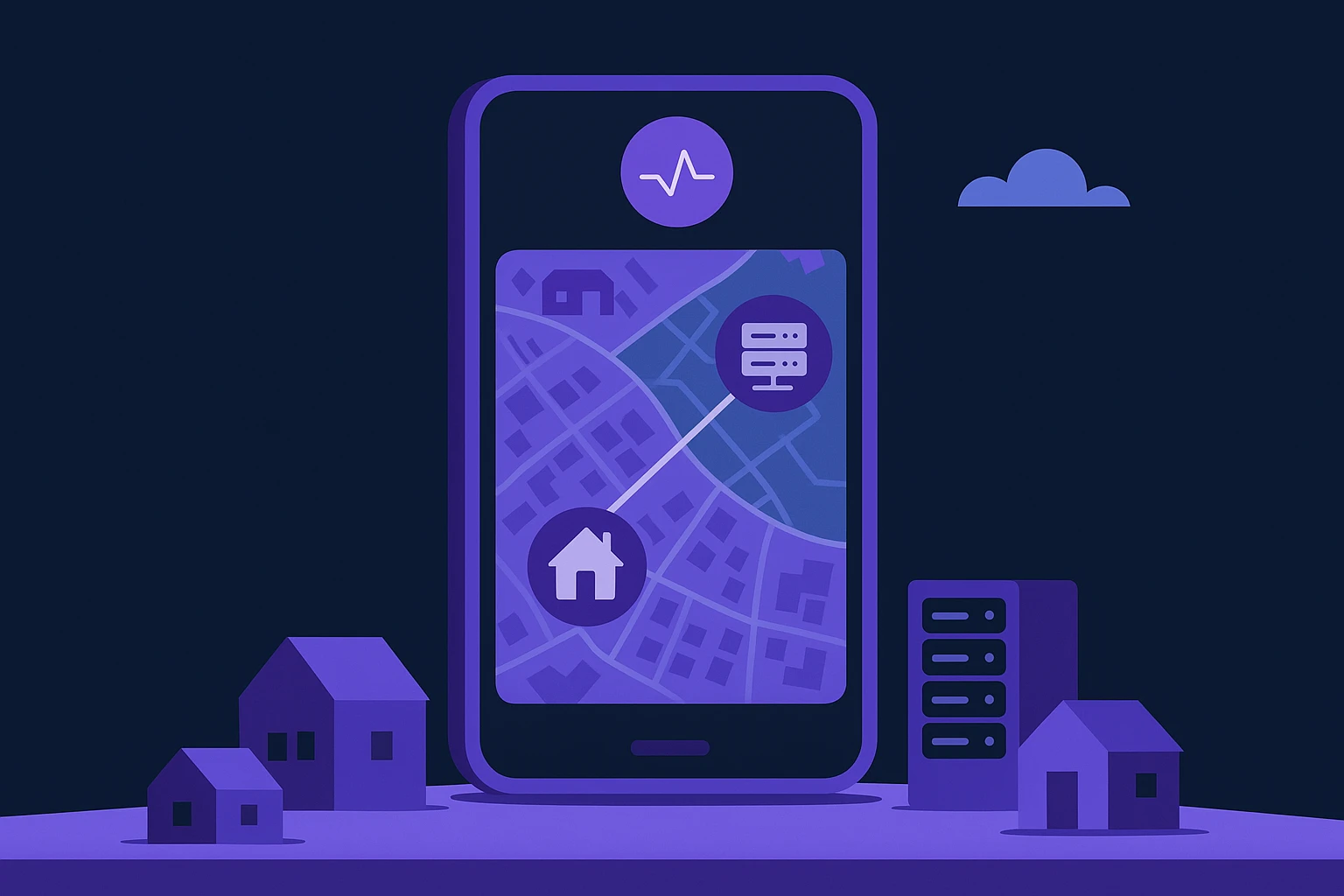
Moreover, the mechanics behind rotating proxies—sometimes delivered via a backconnect gateway—simplify integration. Rather than juggling long lists of proxy IPs, you direct traffic to a single gateway that intelligently routes through a vast address pool. This design not only streamlines scaling, but also enables geo-targeting, where exit nodes in specific regions reveal region-specific content or pricing (Proxyway on backconnect proxies).
In practice, teams that implement rotating proxies within a proxy rotator component—paired with techniques like randomized user-agent headers and retry logic—outperform static setups in both throughput and stability. This layered approach lays the groundwork for stealthier scraping without sacrificing efficiency (Context.dev on proxy rotator architecture).
As you read on, we’ll dive deeper into how to architect and operationalize such a system effectively. This introduction lays the foundation by illustrating why rotating proxies web scraping workflows increasingly rely on this strategy for resiliency and scale.
Understanding Rotating Proxies in Web Scraping
One of the key benefits of employing rotating proxies in web scraping is the ability to effectively manage and distribute requests across multiple IP addresses. This not only helps in avoiding IP bans but also enhances the success rate of data collection. For example, scraping e-commerce sites without rotating proxies might lead to frequent IP blocks. By using a system where the IP changes frequently, each request comes from a new address, thus mimicking the behavior of multiple users accessing the site concurrently.
Consider a scenario where an e-commerce company wants to track competitors' product pricing across various websites. Without rotating proxies, this company might quickly get its IP flagged due to an excessive number of requests. However, with a well-architected rotating proxies web scraping strategy, each request appears to come from a different user. According to DataDome's case study, such a strategy significantly increases data accuracy by allowing access to sites without triggering anti-scraping mechanisms.
Operational Challenges and Solutions
Implementing a rotating proxy system is not without its challenges. Developers must carefully manage the balance between rotation frequency and the pool size to maximize efficiency. A rotation frequency that's too high might unnecessarily increase operational costs, while a too low frequency exposes the system to IP bans. Effective management requires a robust infrastructure capable of dynamically adjusting proxy configurations in response to changing needs.
Let's illustrate with a practical example: A social media analytics firm that pulls large volumes of public data needs to adjust its rotation strategy based on data volume and target site's anti-scraping policies. They may use a proxy provider with servers located in the same geographical region as the target site to reduce latency and improve data throughput. Consequently, the firm's scraping tasks maintain a steady flow without interruptions.
Comparison of Rotating Proxies Providers
| Provider | Geographical Coverage | Rotation Frequency | Additional Features |
|---|---|---|---|
| Provider A | Global | Every 10 minutes | High anonymity, auto retry |
| Provider B | North America, Europe | Every request | Customizable IP pool size |
Selecting the right provider depends on specific project needs. For projects requiring frequent data updates, a provider with a higher rotation frequency, like Provider B, may be ideal. Conversely, for projects focusing on anonymity, Provider A’s features would be beneficial. Choosing an appropriate provider helps in optimizing cost and performance, ensuring the successful execution of web scraping tasks using rotating proxies.
Implementing Rotating Proxies in Web Scraping
Rotating proxies are essential tools in the world of web scraping. They help bypass restrictions and improve data collection efficiency by mimicking genuine browsing behavior. Understanding how to implement these proxies effectively can significantly enhance your scraping operations. When a scraper continuously makes requests from the same IP address, websites may detect and block it, assuming suspicious activity. Rotating proxies switch IP addresses periodically, giving you a fresh digital identity with every request.
Consider a scenario where an online retailer wishes to monitor competitor prices. Leveraging rotating proxies in web scraping can prevent the retailer's IP from being flagged by competitor servers. However, proper management of these proxies is crucial. Techniques such as optimizing the time interval between requests, randomizing user agents, and incorporating delays can replicate natural user behavior and minimize detection risks. Thoroughly testing your proxy setup is also recommended to ensure functionality and effectiveness.
Moreover, the quality and reliability of proxy providers can vary greatly. Providers like Soxy.pro deliver high-tier infrastructure and a vast pool of proxy IPs tailored for rigorous scraping activities. This platform helps businesses maintain a stable and efficient scraping process by offering diverse geographic IP options and robust customer support.
It's advisable to choose a provider that suits your specific needs. For instance, if you're targeting markets in Europe, ensure your provider offers an extensive number of European proxies. Additionally, some proxies come with features that automatically switch to a new IP if one is blocked, further ensuring uninterrupted data collection.
According to a study by Forbes, approximately 66% of marketers have increased their data collection efforts through scraping technologies (source). This emphasizes the growing relevance and need for sophisticated proxy solutions to handle the scale and scope of modern web scraping demands. As such, being strategic with proxy selection not only aids in compliance with terms of service but also secures a smoother scraping experience.
In conclusion, integrating rotating proxies with web scraping efforts enables businesses to stealthily gather essential data without risking detection. By carefully selecting a reliable provider and fine-tuning your scraping techniques, you equip your business to engage in data collection more effectively and sustainably.
Best Practices for Implementing Rotating Proxies
Transitioning into actionable strategies, implementing rotating proxies effectively involves choosing the right rotation mode and matching it to your specific scraping flow. For instance, using per-request rotation ensures each HTTP call appears to come from a new IP—this is particularly helpful for broad list page scraping where stateless requests dominate. On the other hand, sticky sessions preserve the same IP for flows that require consistency, such as authenticating users or completing checkout steps. A hybrid approach often yields the best results by using per-request rotation for most pages while switching to sticky sessions only where necessary. A guide by FlashProxy outlines this distinction clearly and emphasizes how to minimize session disruptions while maintaining efficiency.FlashProxy: Rotating Proxies for Web Scraping
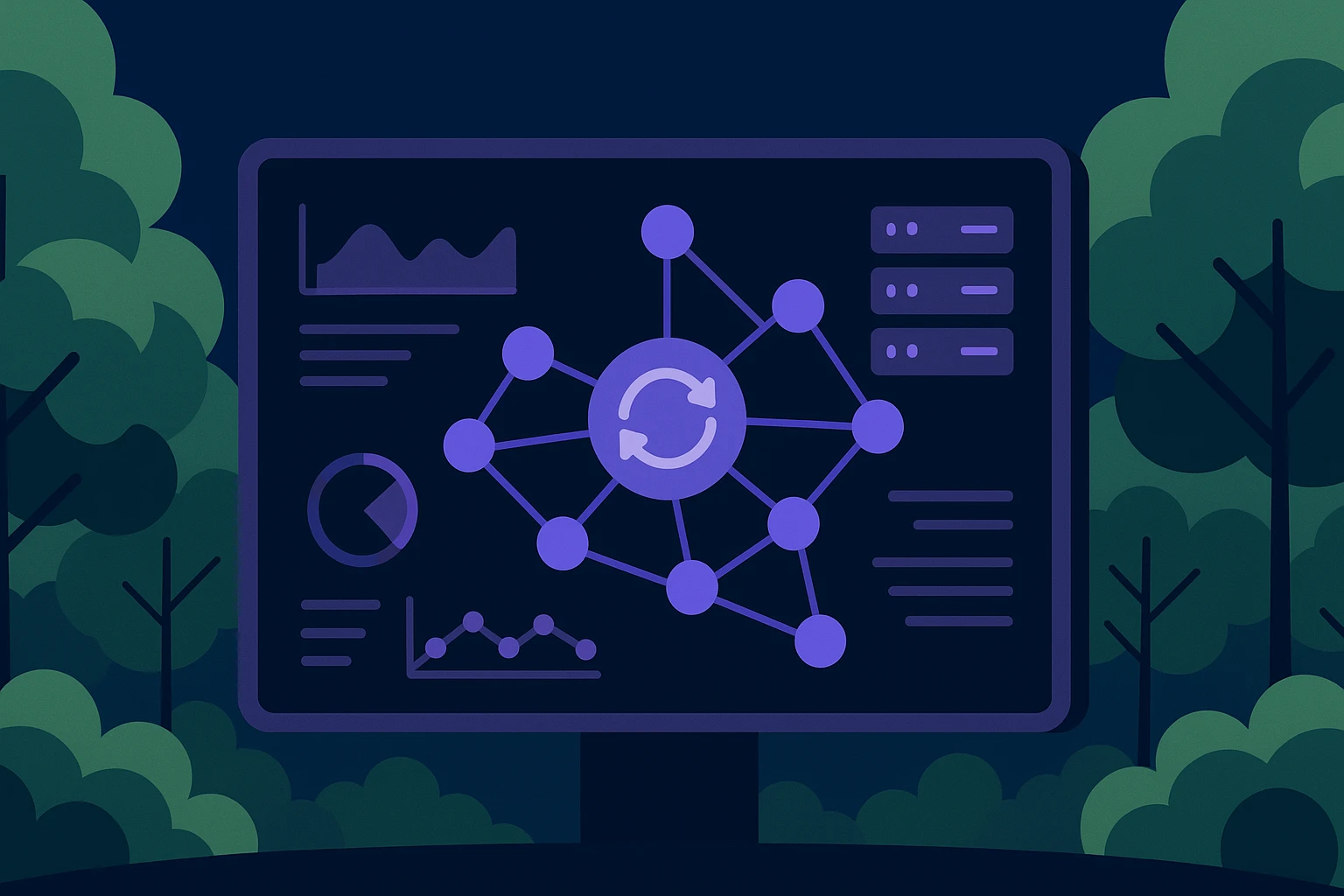
When building or refining your proxy strategy, architecting a modular system brings resilience and clarity. A robust setup includes components like a Proxy Pool Manager that fetches and maintains healthy IPs, a Proxy Rotator with defined rotation logic (e.g., round-robin, weighted random), and Scraper Workers that handle actual requests. Integrating retry logic and proxy health checks ensures blocked or slow proxies are dropped or deprioritized, helping your system maintain steady throughput. An insightful breakdown by Brand.dev walks through how each of these components can work together effectively.Brand.dev: Rotating Proxies in Web Scraping
Beyond IP rotation, disguising your scraper’s behavior matters. Even if each request comes from a different address, using the same User-Agent or header patterns can reveal automation. Incorporating randomized headers, varying request timing, and mimicking real user navigation reduces detection risk. Moreover, rotating proxies alone cannot bypass CAPTCHAs or sophisticated fingerprinting. It’s essential to handle challenges via services or fallback logic. As Zyte describes, high-reliability scraping often combines IP rotation with behavioral defense techniques.Zyte: How Rotating Proxies Work
Managing cost and performance is equally important. Not every project needs aggressive proxy strategies. For light-duty scraping—say, under 100 pages per day—adding proxies may be overkill. On the other hand, high-scale pipelines benefit from mixing IP types: start with cost-effective datacenter proxies for volume, and escalate to residential or mobile proxies only when encountering blocks. This staged escalation minimizes spend while preserving scraping reliability. A practical analysis of when to use proxies and what types to deploy is expertly outlined in a guide by AlterLab.AlterLab: Rotating Proxies for Web Scraping Guide

Conclusion
The dynamic landscape of online data retrieval is continuously evolving, and using rotating proxies in web scraping offers a robust solution for many common challenges. By effectively managing IP rotations, developers and marketers can ensure greater success in collecting valuable insights while maintaining compliance with web scraping guidelines. The ability to switch IP addresses dynamically minimizes blockages, thus maintaining access to essential data sources efficiently.
Scaling your web scraping efforts with rotating proxies involves understanding the nuances of diverse IP addresses and managing them to avoid detection and blocking. This is crucial for businesses like e-commerce platforms or digital marketers who rely on dynamic data to make informed decisions. For example, a company tracking competitor pricing data across multiple websites might utilize rotating proxies to simulate requests from different geographical locations, acquiring a more comprehensive dataset.
Actionable Insights
- Explore various proxy service providers and compare their offerings to find the best fit for your specific needs. Consider aspects such as ease of integration, available IP pool size, and geographical distribution.
- Ensure compliance with legal standards and website terms of service to mitigate potential legal issues by understanding the ethical boundaries of web scraping.
- Integrate advanced monitoring systems to detect and address potential blockages in real time, thereby maintaining continuous data flow.
Implementing these strategies can help businesses and developers harness the full potential of rotating proxies web scraping, resulting in more reliable and expansive data collection processes. As the technology and methods continue to advance, it's vital to stay updated with best practices and emerging trends.
To get started with these strategies and ensure robust performance, consider using Soxy.pro. This platform provides comprehensive solutions tailored to your web scraping needs, helping you navigate the complexities of proxy management with ease.
In conclusion, adapting to the rapidly changing data landscape with rotating proxies provides a powerful framework for sustainable and legal web scraping practices. By leveraging these insights and resources, you can enhance your data collection capabilities and stay ahead in the competitive digital environment.