
Introduction
In today’s digital landscape, efficiently gathering online data is a foundational requirement for developers, marketers, and online sellers. However, selecting the right proxy infrastructure—whether a residential or datacenter proxy—can make or break your scraping strategy. Before diving deeper, it’s essential to understand what matters most in your use case: detection avoidance, cost, speed, or stability.
Why proxy type matters
Modern anti-bot systems no longer rely solely on superficial metrics like request volume—they evaluate IP reputation, ASN classification, TLS fingerprints, and behavioral patterns to flag suspicious traffic. Residential proxies, which originate from ISP-assigned IPs, appear as typical household traffic, offering significantly lower detection risk. In contrast, datacenter proxies, which emit server-associated ASN signatures, are more easily flagged but far faster and cheaper for permissive targets. This makes the right proxy choice critical for scraping efficiency and success JoyProxy and Browserbeam.
What you’ll learn in this guide
This article starts with a practical overview that frames why a hybrid architecture often outperforms a single-proxy-type approach. You’ll see how combining cost-effective datacenter proxies with selectively deployed residential proxies can optimize throughput, reliability, and budget. We’ll illustrate this with real-world examples—like monitoring public news sites with datacenter proxies and switching to residential proxies when scraping login-protected e‑commerce dashboards or geo‑restricted content. This balanced methodology helps developers and marketers scale operations without overspending or triggering blocks, while retaining robust data quality.
Throughout the series, you’ll gain actionable insights into metrics like per‑GB pricing, session stickiness, IP rotation strategies, and how these variables affect success rates with platforms ranging from SEO scraping to ad verification. With examples grounded in tools and providers in use today, this introduction sets the stage for deeper analysis in upcoming sections—all structured to support practical decision-making.
Understanding the Differences Between Residential and Datacenter Proxies
In the world of web scraping, selecting the right type of proxy is crucial for maintaining efficiency and success. Residential and datacenter proxies each offer unique advantages and challenges, making it essential to understand their differences and how they apply to specific scraping projects.
Residential Proxies: The Human Element
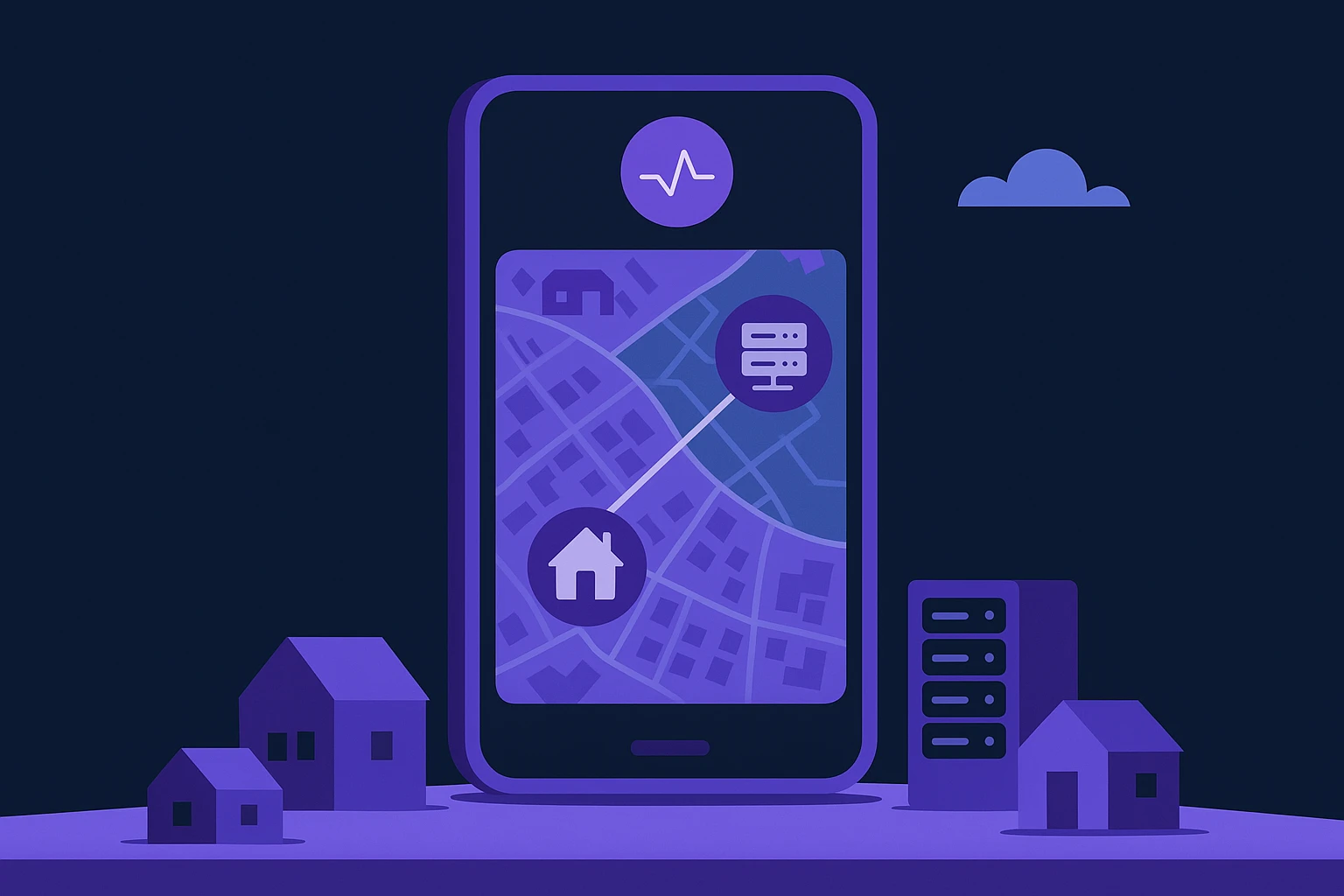
Residential proxies are IP addresses provided by Internet Service Providers (ISPs) to homeowners. Because they are linked to actual locations, they offer a high degree of legitimacy and are less likely to be flagged by websites. This makes them especially suitable for tasks requiring stealth and minimal detection, such as market intelligence and price monitoring. Residential proxies typically exhibit lower speed due to their reliance on consumer-grade internet services, but they boast higher success rates when paired with advanced IP rotation strategies.
Datacenter Proxies: Speed and Volume
Contrasting with residential proxies, datacenter proxies originate from data centers rather than individual ISPs. This allows for rapid deployment and cost-effective scaling across multiple IPs. However, because they are easily identifiable as coming from data centers, websites often deploy stronger detection mechanisms against them, posing challenges in environments where stealth is critical. They are best utilized in scenarios where speed overcomes the risk of potential blocking, such as bulk data extraction and general data mining tasks.
| Feature | Residential Proxies | Datacenter Proxies |
|---|---|---|
| Source | ISP to Homeowners | Data Centers |
| Speed | Slower | Faster |
| Cost | Higher | Lower |
| Detection Risk | Lower | Higher |
| Ideal Use | Market Intelligence, Price Monitoring | Bulk Data Extraction, Data Mining |
Understanding these distinctions is vital for developers and marketers aiming to optimize residential vs datacenter proxy scraping strategies. Leveraging the right proxy type can significantly enhance scraping success by addressing specific needs such as avoiding bans or dealing with high-frequency requests. For example, if an urgent requirement involves gathering expansive datasets quickly, a datacenter proxy may be the preferred option. Conversely, for operations necessitating high anonymity and minimal risk, residential proxies provide a distinct advantage.
Deciding on the proxy type is not merely about cost considerations but involves assessing scraping goals and constraints. Careful analysis and strategic deployment can determine the success of your data collection efforts, ensuring both efficiency and compliance.
Understanding Speed and Reliability
When assessing the differences in residential vs datacenter proxy scraping, speed and reliability emerge as crucial factors. Datacenter proxies are often favored for tasks requiring rapid request rates due to their high-speed connections. These proxies are housed in data centers with robust infrastructure, providing consistent uptime and fast response times, which are ideal for web scraping projects necessitating high throughput.
In contrast, residential proxies, while generally slower, offer another layer of authenticity, as they route traffic through genuine ISP connections. This is particularly valuable when scraping websites that implement stringent anti-bot measures. For instance, an e-commerce company might use residential proxies to gather competitor pricing data without triggering IP bans—effectively blending in as regular users.
Scalability Considerations
Scalability is another area where datacenter proxies shine. They can handle vast amounts of requests without a hitch, making them suitable for large-scale scraping operations. Businesses needing to scrape millions of pages quickly will find datacenter proxies appealing due to their capacity for parallel connections.
However, for marketers or developers managing multiple small-scale projects, residential proxies might be more suitable despite their slower speeds. Their ability to bypass geo-restrictions and access localized content makes them invaluable. For instance, a digital marketing agency might rely on residential proxies to localize advertising campaigns accurately by mimicking user behavior from various regions.
Cost and Provider Options
Cost can be a decisive factor in choosing between residential and datacenter proxies. Datacenter proxies are typically cheaper because they are less resource-intensive to maintain. However, the potentially lower anonymity might impact their effectiveness in challenging environments.
Residential proxies are generally more expensive due to their scarcity and IP diversity. This reflects their higher success rate in bypassing sophisticated security checks. Platforms like Soxy.pro offer a range of residential proxies that enable seamless, secure scraping with real IP addresses, giving users the edge in accessing geo-restricted content.
In conclusion, the choice between residential and datacenter proxies depends heavily on specific use cases, with considerations involving speed, scalability, and budget. By understanding these dynamics, developers and marketers can optimize their web scraping strategies to align with their operational needs and objectives.
Ethical and Legal Considerations in Proxy Scraping
When navigating the debate between residential vs datacenter proxy scraping, understanding the ethical and legal implications is crucial. Different jurisdictions have varying regulations and restrictions regarding web scraping, and non-compliance can lead to significant legal challenges. Developers and marketers need to ensure that their scraping activities do not infringe on copyrights or terms of service agreements. This involves consulting legal advisors to define the boundaries of legitimate scraping practices.
One of the primary ethical considerations involves **respecting user privacy**. Residential proxies, due to their nature, could inadvertently involve real users’ IPs, raising concerns about consent and data protection. While datacenter proxies might seem less personal, they are not devoid of ethical issues, particularly if they are employed to target platforms aggressively. To ethically balance these concerns, some companies adopt a consent-based scraping model where websites are notified before their data is collected.
Case Study: LinkedIn Legal Battle
A notable real-world example involves LinkedIn's litigation with a scraping company over the unauthorized extraction of user profiles. This case underscores the importance of clear legal frameworks and respectful usage policies. According to court documents, LinkedIn argued that such scraping violated the Computer Fraud and Abuse Act. Developers involved in residential vs datacenter proxy scraping should be mindful of such legal precedents to avoid potential lawsuits and reputational damage.
Moreover, businesses also face the challenge of server load and bandwidth consumption. Excessive scraping, especially with datacenter proxies, can strain a target website’s infrastructure, thereby disrupting services for other users. To prevent such scenarios, some sites deploy sophisticated anti-scraping measures including CAPTCHAs and behavior analysis techniques, prompting scrapers to optimize their strategies ethically and meticulously.
Implementing effective crawl delay strategies, setting reasonable request rates, and managing IP rotations carefully can help avoid unwanted server stress. This requires technical acumen, often achieved by integrating advanced tools and libraries into the scraping framework, ensuring that projects are both efficient and respectful of target site limitations.
In conclusion, while the technical advantages of residential vs datacenter proxy scraping are considerable, the ethical and legal dimensions are equally vital. By prioritizing compliance and ethical standards, organizations can confidently leverage scraping as a powerful tool without risking reputational damage or legal repercussions.
Conclusion: Choosing the Right Proxy for Your Needs
In navigating the complex landscape of residential vs datacenter proxy scraping, understanding your specific requirements is paramount. Both residential and datacenter proxies offer distinct advantages and challenges, making the choice largely dependent on your project's objectives and constraints.
Residential proxies are highly effective for tasks that demand a high level of authenticity and geo-targeting. They are ideal for activities such as data collection for localized content, ad verification, and accessing websites with rigorous IP filtering practices. For example, a marketer scrapping competitor pricing in multiple regions can significantly benefit from the authenticity of residential IPs, reducing the risk of detection and blocking.
Conversely, datacenter proxies excel in speed and scalability, making them suitable for high-volume scraping tasks where sheer speed is essential. This option can be advantageous for developers needing to gather large datasets quickly, or for startups testing their platforms’ load capacities. The ability to easily scale operations without incurring the costs associated with residential proxies can offer a significant competitive edge.
Evaluating your priority between speed and authenticity can guide your choice effectively. For scenarios where both traits are desired, a hybrid approach, strategically utilizing both proxy types, might be necessary. This allows you to harness the strengths of each proxy type, ensuring comprehensive solutions tailored to more complex scraping tasks.
As you explore these options, incorporating a reliable tool like Soxy.pro can provide substantial support. With its wide range of proxy solutions, it could help streamline your scraping projects, regardless of scale or specificity. Soxy.pro offers a user-friendly platform that simplifies the management of both residential and datacenter proxies, making it a valuable resource for developers, marketers, and online sellers aiming to optimize their data strategies in competitive online environments.
Your decision should align with your targeted objectives, budget, and technical requirements. By leveraging the appropriate proxy type, or combination thereof, you can effectively enhance both the efficiency and efficacy of your online operations.