

Understanding the Role of a Proxy
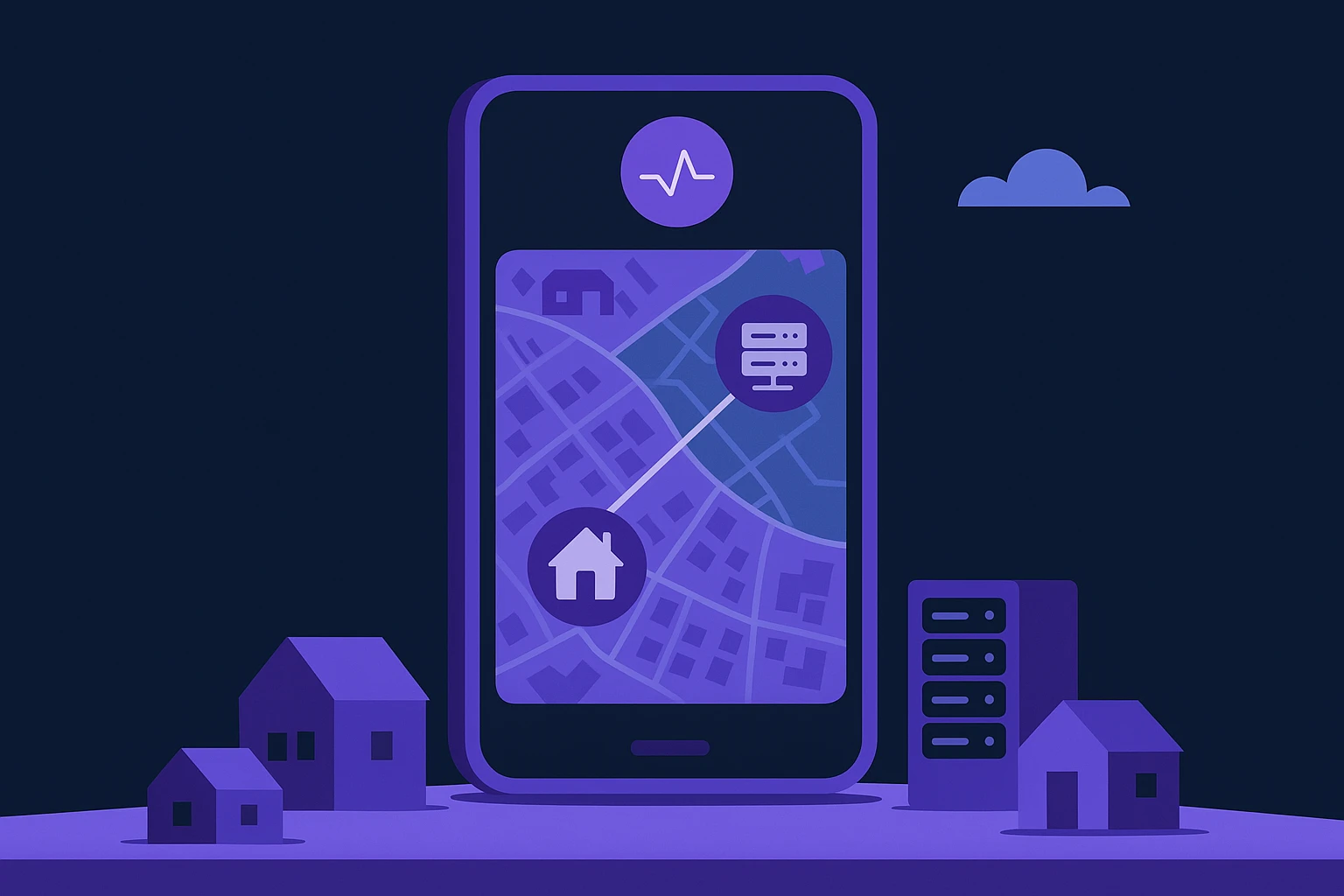
Imagine deploying a tool that acts as a discreet agent for your digital traffic—situated between your application or device and the broader internet. This intermediary becomes a strategic point of control, offering tangible benefits like performance gains, privacy, and security enhancements. In environments where efficiency and reliability matter—whether in development workflows, digital marketing platforms, or e‑commerce systems—a thoughtfully configured intermediary can streamline operations and protect sensitive data.
How It Works in Practice
A proxy operates by receiving your device’s request for a web resource and then fetching that content using its own IP address before returning it to you. This mechanism allows it to cache frequent responses, significantly reducing latency for repeat requests. In enterprise scenarios, local caching via such tools helps minimize bandwidth costs and accelerate page loads for shared resources in intranets or content delivery setups (TechTarget). Additionally, acting as an intermediary enables it to mask the client’s IP—boosting anonymity—or enforce content filtering and security rules based on headers or request patterns (Malwarebytes).
Real-World Applications and Use Cases
Marketers and online sellers may leverage such setups for region-specific testing or data collection. For instance, using carefully managed IP pools, e‑commerce teams can scrape competitor pricing for real-time comparison without revealing their location or triggering rate limits. A study on the proxy market notes that e‑commerce remains the most frequent application, while AI-driven services increasingly depend on location-aware data feeds (Proxyway).
Strategic Value for Developers, Marketers, and Sellers
For developers, proxies offer a controlled environment to simulate different network conditions, manage API rate limits, and maintain test isolation. Marketers rely on them to validate ad placements or track SERP variations across geographies. Online sellers also use proxies to monitor marketplace listings or ensure uptime across diverse regions. By acting as programmable intermediaries, they grant teams the agility to deploy use-case-specific logic—like rotating IPs, filtering requests, or caching data—without modifying application logic directly.
By introducing this intermediary layer, you're not just redirecting traffic—you’re gaining a versatile tool that balances performance, security, and strategic insight. In the following sections, we’ll explore types, selection criteria, configuration best practices, and integration strategies that help developers, marketers, and online sellers make an informed choice.
Understanding Proxy Types
When diving into what is a proxy, it’s crucial to recognize its diverse forms and how each serves different needs. Proxies can be categorized into various types, each tailored for specific functions like anonymity, security, and load management. These categories include forward proxies, reverse proxies, and transparent proxies, among others.
Forward Proxies
Forward proxies act as an intermediary between a user's device and the internet. They are commonly used for filtering traffic, granting access to blocked resources, and enhancing privacy by masking the user's IP address. For instance, a developer testing a website's geographic content can use a forward proxy server to view region-specific versions of the site.
Reverse Proxies
Contrarily, reverse proxies serve platforms and services by hiding their backend servers from the public internet. This setup improves load balancing, security, and caching. A real-world example is when ecommerce websites deploy reverse proxies to distribute incoming traffic efficiently, ensuring quick and stable user experiences even during peak periods.
Transparent Proxies
Transparent proxies, as the name suggests, operate without requiring configuration from the user’s side. They are often used by businesses to manage staff web usage or implement content filtering. Since users are usually unaware of a transparent proxy's presence, they provide easy ways to monitor and control internet access without user intervention.
Comparison Table
| Proxy Type | Function | Use Case |
|---|---|---|
| Forward Proxy | Facilitates user access to internet, provides anonymity | Bypassing geo-restrictions |
| Reverse Proxy | Protects and optimizes service backend | Web server load balancing |
| Transparent Proxy | Unobservable control of user traffic | Corporate internet usage management |
Proxies play multiple roles, each suited to particular environment needs, empowering developers, marketers, and sellers to select the ideal proxy type. More information on each of these can be found through resources like Cloudflare’s documentation on reverse proxies, which offers in-depth insights into their applications.

How Proxies Work: Core Functionality and Applications
Understanding what is a proxy involves delving into its core functionality. At its essence, a proxy server acts as an intermediary between a user's device and the internet. When a request is made, such as accessing a website, the request is first sent to the proxy server. The server then forwards this request to the destination server on behalf of the user. Once the destination server responds, the proxy sends the data back to the user's device. This process offers several functional benefits, including enhanced security and improved control over web traffic.
One practical application of proxies is in content filtering. For businesses and educational institutions, proxies enable IT administrators to block access to certain websites that may be deemed inappropriate or harmful. This is achieved by configuring the proxy server to filter outgoing requests and deny access based on specific URL patterns. Furthermore, proxies can serve as a firewall by blocking potential threats and monitoring incoming and outgoing traffic for suspicious activity, thereby providing an additional layer of security.
Proxies are also vital in managing bandwidth and improving browsing speeds. By caching frequently accessed content, a proxy server can reduce load times and decrease the bandwidth usage on a network. This is especially beneficial for organizations with limited internet resources, as it allows for more efficient use of available bandwidth. Notably, organizations can enhance their network performance and provide a seamless user experience by implementing caching proxies.
For those seeking anonymity or bypassing geographical restrictions, proxies mask a user’s IP address with that of the proxy server. This masking feature is particularly useful for accessing geo-restricted content, such as video streaming services available only in certain regions. Additionally, marketers and developers often leverage proxies for web scraping, as they facilitate data gathering from multiple sources without exposing the scraper's identity. Many professionals use platforms like Soxy.pro to streamline these processes, offering robust proxy solutions tailored to specific business needs.
According to recent findings, the global proxy server market is projected to grow significantly in the coming years, driven by increased demand for secure and private internet access (Market Research Future). This trend underscores the importance of proxies in contemporary internet use, highlighting their ongoing relevance and utility across various industries.
Use Cases of Proxies in Business and Technology
The practical applications of proxies extend across various sectors, each leveraging their capabilities for distinct purposes. For instance, e-commerce websites often utilize proxies to scrape competitive pricing data without being blocked. By rotating through different IP addresses, these companies can conduct extensive market analyses without triggering suspicious activity alerts from competitors’ websites. This activity enables businesses to adjust their pricing strategies in real-time, maintaining a competitive edge in the market.
In the realm of cybersecurity, proxies play a pivotal role in protecting sensitive data from external threats. Companies employ secure proxies to filter malicious traffic, acting as a barrier between their internal network and the internet. By intercepting potential threats, proxies help in safeguarding against data breaches and unauthorized access. This application is crucial as cyber threats continue to evolve, with data breaches costing organizations an average of $4.45 million according to CNBC.
Furthermore, proxies are significant in content delivery networks (CDNs), where they help distribute website traffic efficiently, reducing load times and increasing accessibility. By caching content closer to the user’s geographical location, proxies minimize latency, ensuring fast and reliable access to online resources. This function is particularly important for global companies seeking to maintain performance standards and user satisfaction across diverse regions.
Proxies in Digital Marketing
In digital marketing, the question of "what is a proxy" expands to include tools for enhancing marketing intelligence. Marketers use proxies to perform ad verification, ensuring that advertisements are displayed correctly across multiple regions and platforms. This verification process involves accessing websites from different locales to confirm ad placement without being influenced by location-based restrictions. Through this approach, marketing teams can monitor and adjust campaigns to optimize reach and impact.
Moreover, proxies facilitate social media management by allowing agencies to manage multiple accounts seamlessly. Proxies enable the rotation of IP addresses, facilitating activities such as posting updates and engaging with audiences across numerous profiles without the risk of being flagged for violation of platform rules. This capability is vital for businesses aiming to maintain a consistent and dynamic online presence.
As these examples illustrate, proxies are more than just intermediaries between users and the internet. They are powerful tools that enhance security, efficiency, and strategic functionality across various industries. Their role is increasingly critical as businesses strive to protect data, improve operational efficiency, and thrive in a competitive digital landscape.

Conclusion: Leveraging Proxies for Enhanced Internet Security and Performance
Understanding what is a proxy can profoundly impact how businesses and individuals manage their online presence. As we’ve explored, proxies serve as intermediaries that can protect user identity, enhance security, and provide access to geo-restricted content. By masking IP addresses and filtering content requests, proxies are invaluable tools in the digital landscape.
An actionable insight for developers and marketers is to integrate proxy solutions that support their specific business needs. For instance, utilizing a reliable proxy service can add a layer of security, protecting sensitive customer data and reducing the risk of cyberattacks. When implemented correctly, proxies can also improve website loading times by caching frequently accessed content. This functionality is especially beneficial for e-commerce platforms aiming to enhance user experience and retention.
Marketers can utilize proxies to conduct market research unobtrusively by browsing competitors' websites anonymously. This way, they can gather authentic market insights without alerting competitors. Similarly, businesses with an international presence can bypass geo-restrictions, making it easier to test their products and services in different regions.
For those looking to get started with proxy services, Soxy.pro offers comprehensive solutions tailored to various industry needs. With its robust features and reliable performance, Soxy.pro ensures that businesses can harness the full potential of proxies for cybersecurity, anonymity, and global market access.
According to a recent study by Statista, the number of internet users worldwide continues to grow, exceeding 5 billion. As such, the demand for secure and efficient internet access strategies like proxies is surging. With increasing online threats and regional content barriers, integrating proxies into your digital strategy is no longer optional but essential.
In conclusion, as the internet evolves, so too must our approaches to security, privacy, and accessibility. By leveraging proxies, businesses and individuals can position themselves to navigate the digital world more safely and effectively. As you explore the possibilities, consider how these tools can enhance your online operations, and remember that choosing a reliable provider is crucial. Start your journey towards optimized internet usage with trusted resources like Soxy.pro.