
Introduction: Understanding the Value of Web Scraping
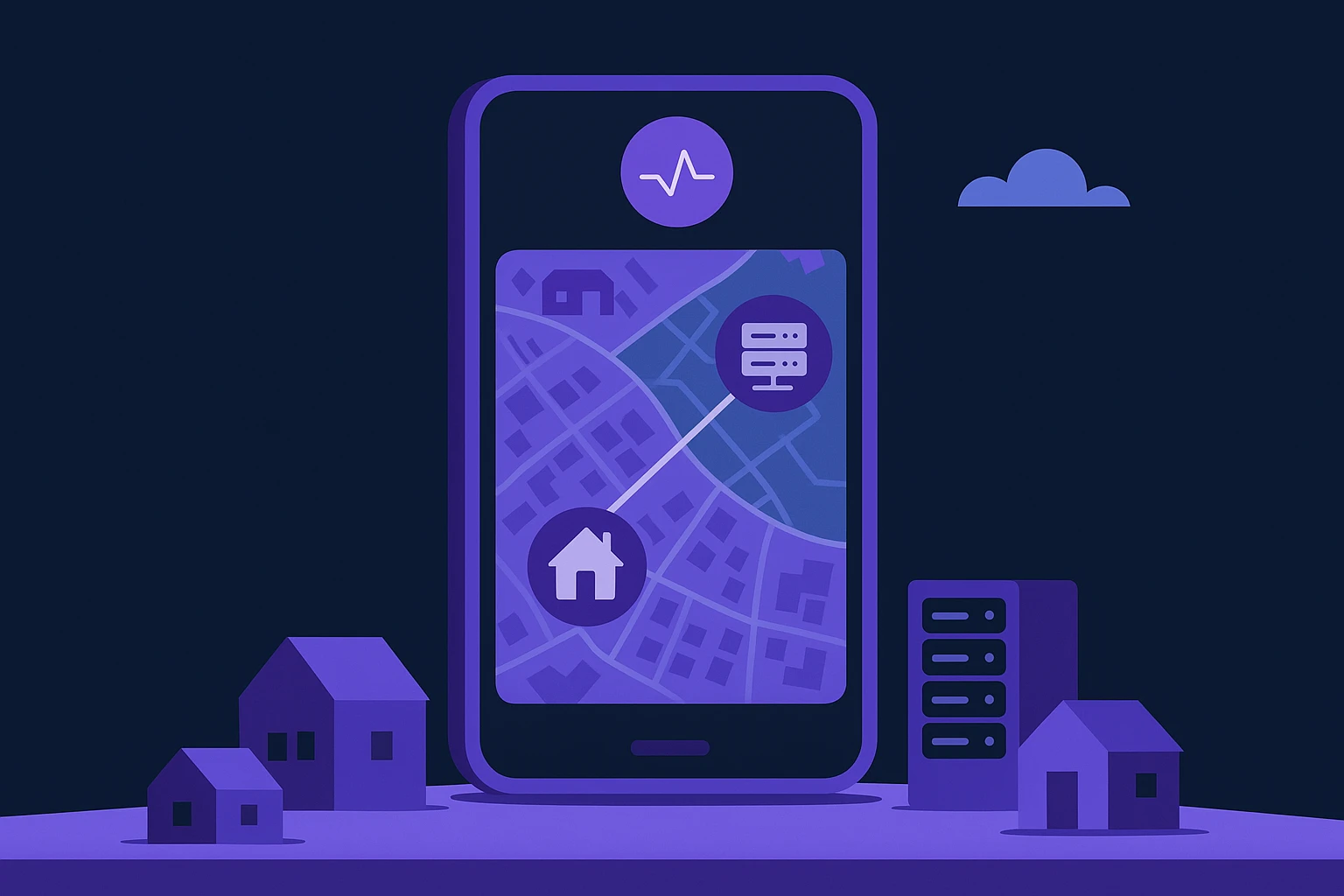
Imagine being able to gather thousands of product price updates, competitor insights, or contact details in minutes rather than hours. That’s the promise behind the term “what is web scraping” when implemented purposefully—and why it matters to developers, marketers, and online sellers seeking efficient, real-time data.
Practical Definition and Underlying Process
At its core, web scraping refers to using software to programmatically extract information from web pages and convert it into structured formats like JSON or CSV. Unlike manual copy‑and‑paste, this automation enables handling large datasets across multiple sources with speed and consistency. The scraped data can then be ingested into databases, dashboards, or AI systems for analysis and action. According to Bright Data, information is typically exported into usable structures after scraping, such as CSV or JSON, making it accessible even to non-technical stakeholders Bright Data guide.
Real‑World Scenarios and Use Cases
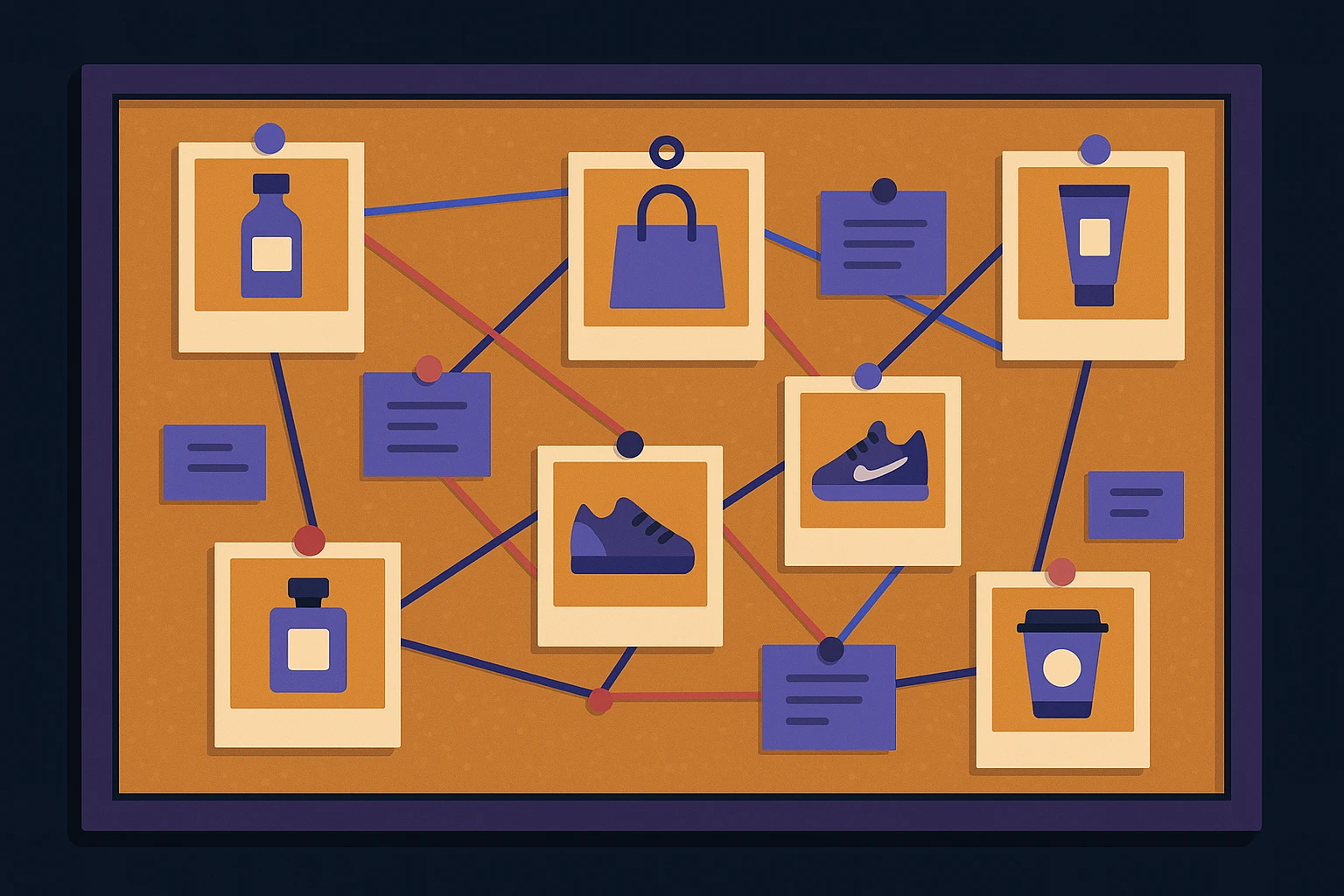
Real‑world applications illustrate how transformative web scraping can be. A prominent e‑commerce player, for instance, scrapes 50,000 competitor products every hour to enable real‑time dynamic pricing adjustments DataShift case. In another example, a U.S. D2C brand monitors 80,000 SKUs across Amazon and Walmart daily, reclaiming $1.8 million in lost buy‑box revenue WebDataInsights case. These demonstrate how scraping directly supports financial and strategic decisions.
Why Teams Turn to Automated Extraction
Scraping becomes invaluable when data is dispersed across numerous pages, changes frequently, or must be compared at scale. Firecrawl highlights optimized workflows like competitive intelligence, price tracking, SEO audits, and lead enrichment—areas where manual collection simply can’t keep up Firecrawl glossary. For developers, it offers repeatable scripts; for marketers and sellers, it unlocks near‑real‑time visibility into trends, pricing, and opportunities.
In sum, understanding web scraping isn’t just about the mechanics of data extraction—it’s about how structured, timely information empowers smarter, faster decision-making across technical and business teams. With this foundation, let’s explore deeper methods, tools, and strategic considerations ahead.
Techniques and Tools in Practice with Insightful Comparisons
Moving smoothly from foundational concepts, it's useful to explore how developers, marketers, and sellers implement web scraping using different techniques and tools, tailored to varying technical needs and project scales. Understanding what is web scraping in context means evaluating both traditional and modern approaches based on real-world performance data and specific user applications.
Common methodologies: libraries, frameworks, and browser automation
For static sites, lightweight libraries like BeautifulSoup combined with Requests deliver fast, reliable HTML parsing—ideal when minimal JavaScript rendering is required. For dynamic or interactive pages, browser automation tools such as Selenium, Playwright, or Puppeteer offer JavaScript support and asynchronous control, although at higher complexity and execution cost. Cloud-based APIs like Browserbeam offer structured extraction through AI-enhanced agents, particularly useful when integrating LLMs or working at scale. These distinctions reflect real-world tool selection strategies. Browserbeam’s 2026 comparison provides a detailed breakdown of JS support, async behavior, and recommended use cases.
API-driven vs. visual or no-code scraping platforms
API-based platforms such as Bright Data, Oxylabs, Decodo, Zyte, and Apify handle underlying complexity like proxy management and CAPTCHA bypassing. Recent benchmark data shows Bright Data covering 89% of tested page types with 98% unblocking success, while Zyte offers the best price-performance ratio, and Decodo shines with ~2‑second response times on major e-commerce targets. Meanwhile, Octoparse and ParseHub offer visual, point‑and‑click interfaces suited for non-technical users or quick, small-scale tasks. AIMultiple’s roadmap and tool benchmark article present these comparisons with real metrics.
Use cases and business applications
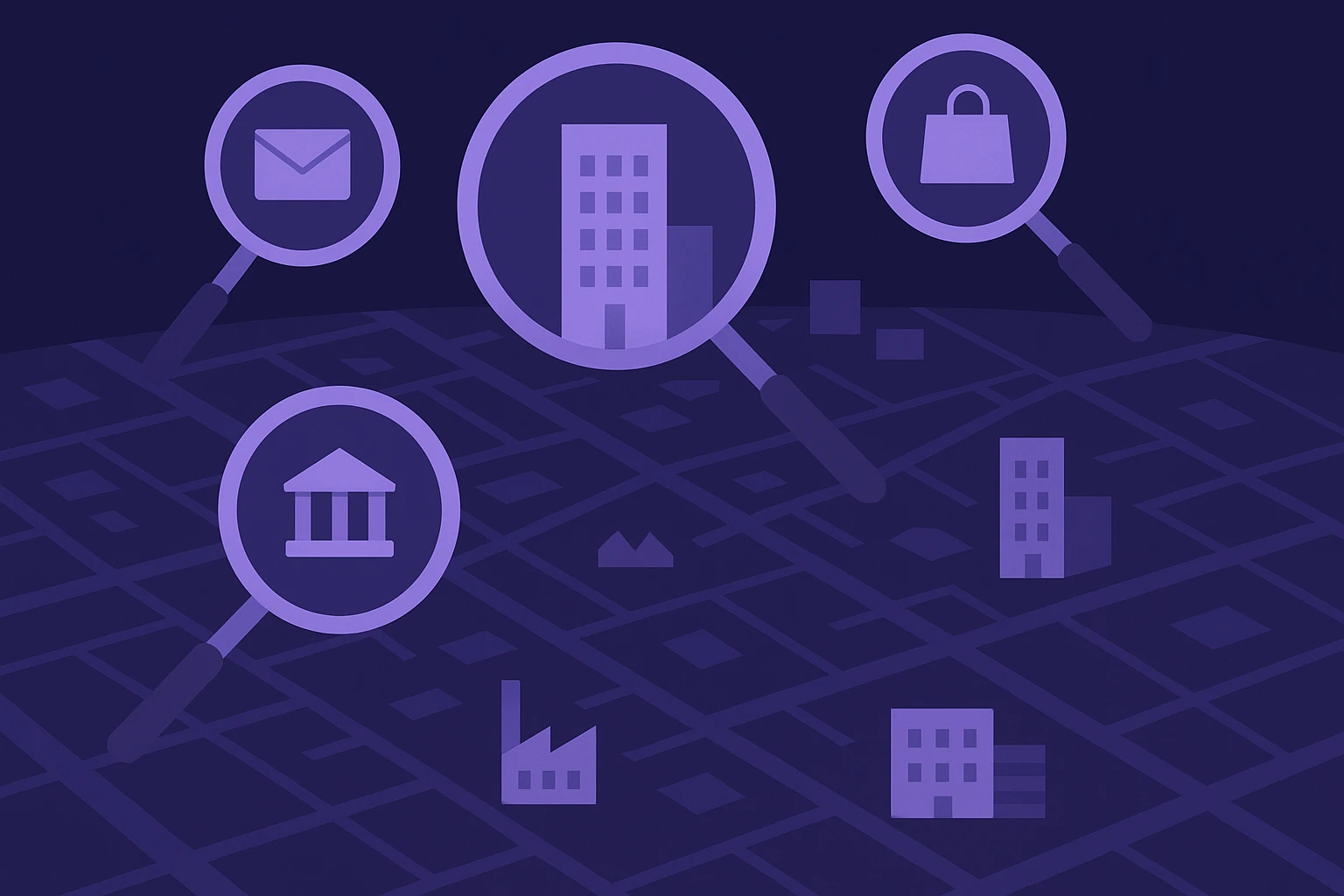
Practical examples illustrate how teams apply tools to real tasks. A large e-commerce company monitors 50,000 top-selling products every hour, triggering dynamic pricing updates when competitors adjust their pricing. SaaS providers extract leads from directories like LinkedIn and Google Maps, delivering structured contact data directly to CRM systems. Real estate firms scrape listings daily to observe market trends and reduce listing-to-placement time. DataShift’s examples and WebDataInsights’ case studies offer valuable, measurable results.
| Tool Type | Best For | Example Use Case | Notes |
|---|---|---|---|
| BeautifulSoup + Requests | Simple static sites | Extracting product titles from category pages | Fast, free, minimal overhead |
| Playwright / Selenium | Dynamic, JS-heavy pages | Scraping interactive listings or dashboards | Higher resource usage, accurate rendering |
| Bright Data / Zyte (API) | High-scale enterprise scraping | Global price monitoring, SERP data collection | Handles anti-bot, proxies, high coverage |
| Octoparse / ParseHub | No-code users | One-off report scraping, simple automation | UI-driven, limited scalability |
The seamless transition from tool selection to execution underscores how knowing what is web scraping truly means choosing the right method for the task. The ongoing shift toward LLM-enhanced scrapers and AI-driven tools also signals future directions, but established frameworks remain the backbone of most operations today.
By aligning techniques with clear objectives—speed, scale, accuracy, or accessibility—you ensure your scraping stack effectively supports business goals without unnecessary complexity.
Legal and Ethical Considerations in Web Scraping
Understanding the legal and ethical boundaries of web scraping is crucial for businesses and developers alike. While web scraping can provide invaluable insights and data, it must be done within the framework of laws and ethical guidelines. Companies often set terms of service that restrict or limit the use of automated tools to gather data from their websites. Ignoring these restrictions can lead to legal challenges and damage brand reputation.
For instance, high-profile cases have arisen where companies have taken legal action against web scrapers. LinkedIn, for example, has sued entities for scraping their data despite user agreements prohibiting such actions. According to Reuters, LinkedIn's legal proceedings highlight the necessity of adhering to terms of service and privacy laws. These cases emphasize the importance of ensuring compliance with platforms' guidelines.
Moreover, the ethical aspects of web scraping involve respecting user privacy and data integrity. Web scraping should not bypass any security measures or access restricted areas of a site. Organizations must also consider the potential impact on server load, which can disrupt services. Using ethical scraping tools and methods helps maintain a positive relationship with data sources, ensuring data is collected responsibly without infringing on privacy or overloading web services.
Businesses looking to perform web scraping in a compliant manner often utilize tools and services designed to navigate these challenges. For example, many professionals rely on platforms like Soxy.pro to access data responsibly while managing proxy usage effectively. By choosing reputable tools, organizations can mitigate risks associated with legal issues and adhere to best practices in web data acquisition.
In addition to understanding legal nuances, it's essential to stay informed about potential changes in data protection laws, such as the GDPR in Europe, which could impact how data is collected and used. Staying up-to-date helps companies remain compliant and avoid future pitfalls. As web scraping continues to evolve, maintaining a clear distinction between what is permissible and what is not remains a crucial part of its practice.
Technological Evolution in Web Scraping
The rapid advancement of technology has significantly influenced the methodologies used in web scraping. Modern tools and frameworks have emerged, making the process more efficient and user-friendly. Developers and businesses can now leverage sophisticated web scraping libraries like Scrapy and BeautifulSoup to extract data seamlessly. For example, BeautifulSoup allows for the parsing of HTML and XML documents, enabling users to locate specific elements quickly. This capability is particularly beneficial for marketers seeking to analyze competitor pricing or customer reviews.
Moreover, with the rise of artificial intelligence and machine learning, data extraction can be further refined. AI-driven scraping platforms can intelligently navigate through websites, adapting to structural changes without extensive manual reprogramming. These platforms are equipped to handle JavaScript-heavy websites, which traditional scrapers might struggle with. As a result, businesses can maintain a real-time view of market trends and make informed decisions swiftly.
Real-World Applications of Web Scraping
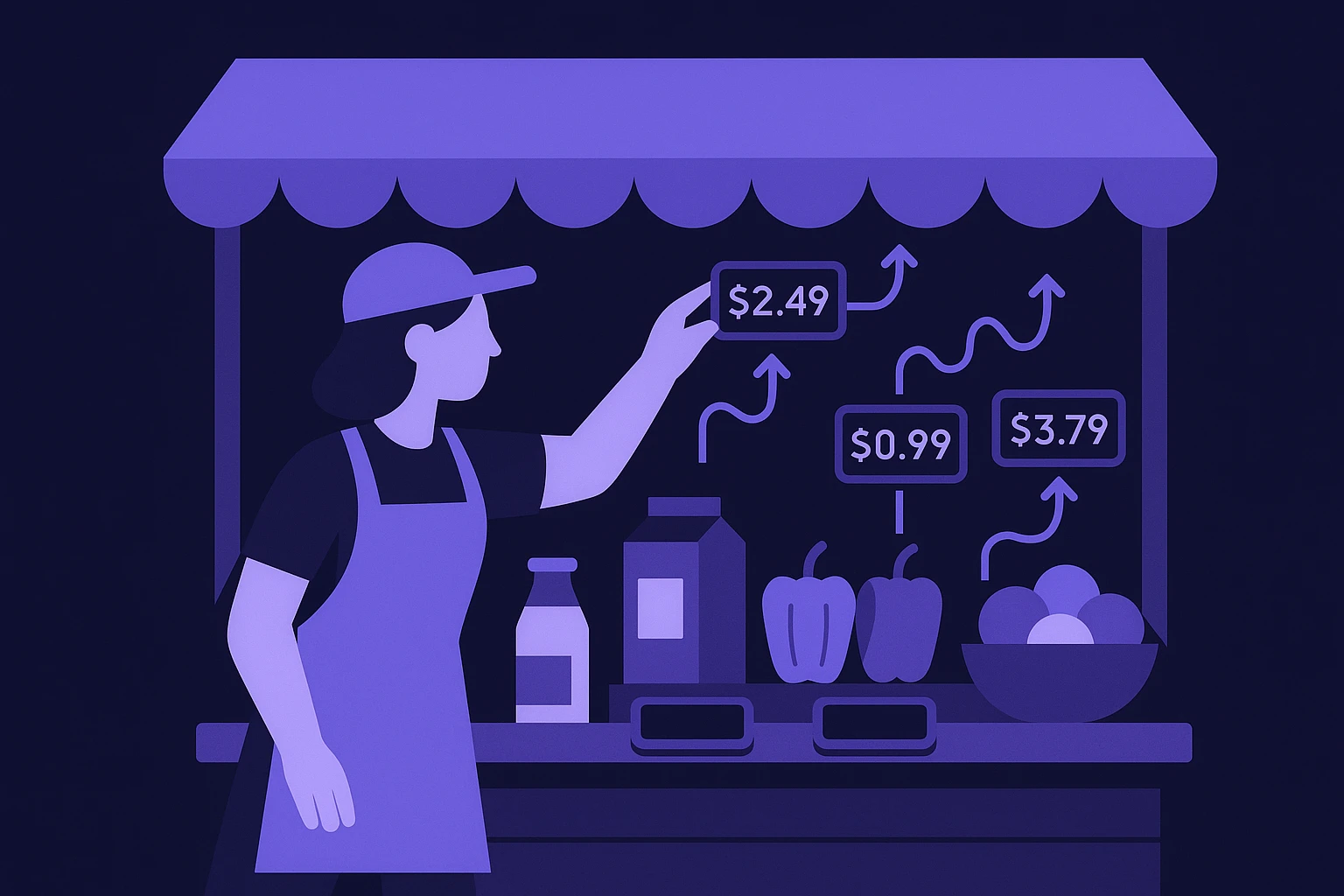
Web scraping serves numerous practical applications across various industries. For e-commerce platforms, scraping tools can track product prices and stock availability from multiple sources. This data helps businesses adjust their offerings and pricing strategies in response to market demands. For instance, retailers can use web scraping to monitor sales data from competitors, ensuring their products remain competitively priced.
In the financial sector, web scraping is utilized to gather data from financial news sites, blogs, and social media. By analyzing this information, financial analysts can predict market movements and invest wisely. According to a report by Towards Data Science, scraping Twitter for sentiment analysis has become a valuable tool for traders seeking insights into public opinion on stocks.
Ensuring Ethical and Legal Compliance
While exploring what is web scraping, it's crucial to understand the legal implications. Not all data is freely available for extraction, and businesses must comply with terms of service agreements and data protection laws. Failure to do so can lead to legal disputes and damage to brand reputation. Companies should implement robust ethical guidelines, ensuring that they scrape publicly available data and respect site owners' restrictions.
To remain compliant, organizations are advised to keep updated with laws and regulations like the GDPR and CCPA. They must differentiate between publicly accessible data and protected information, especially when scraping sites with user-generated content. Adhering to these guidelines will not only prevent legal issues but also foster trust and credibility with customers and partners.
Conclusion: Key Takeaways and Next Steps
The journey into understanding web scraping reveals a powerful tool that, when used correctly, can significantly enhance data-driven decision-making for businesses across various industries. As web scraping continues to evolve, it's crucial for developers, marketers, and online sellers to remain informed about the legal and ethical considerations involved. Embracing best practices will ensure that you leverage this technology responsibly and effectively.
To truly harness the potential of web scraping, consider implementing structured data extraction techniques. This involves selecting the right tools and programming languages that fit your needs. Whether you're extracting data for market analysis, price comparison, or research, tailored approaches to scraping can vastly improve your results.
Moreover, staying compliant with legal standards is non-negotiable. Reviewing and adhering to a website's Terms of Service eliminates the risk of unintended violations. Legal ramifications can be significant, so it's wise to consult with legal experts when developing your scraping strategies. Developing an ethical approach not only safeguards your operations but also promotes trust with data sources.
To further your understanding and streamline your web scraping efforts, consider innovative solutions like Soxy.pro. Offering advanced tools and comprehensive support, Soxy.pro can assist in optimizing your strategies, ensuring accuracy, and minimizing legal risks. By integrating such resources, you can advance your capabilities and stay ahead in a data-driven world.
In conclusion, while exploring what is web scraping opens up numerous opportunities, the key lies in targeted application and responsible practices. Stay informed, utilize robust technologies, and continuously refine your approach to make the most out of this dynamic tool. As you move forward, remember that a well-strategized use of scraping not only yields valuable insights but can also propel your business to new heights.